From a memory or a photograph to a real car
Finding the Car Your Father Drove
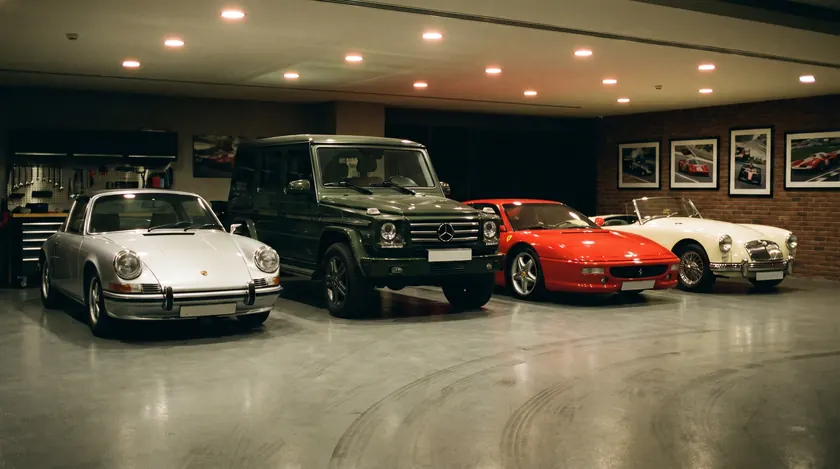
A surprising share of the briefs this desk receives do not start with a model name at all. They start with a sentence like 'my father had one of these when I was eight' and a scanned photograph with soft edges. The client is not shopping. They are trying to get something back, and the car is the vehicle for it in both senses.
These searches are entirely doable, and they follow a method. This guide explains how we work back from a memory or a family photo to an exact model, year and specification, what separates 'the same car' from 'one like it', and what a realistic budget and timeline look like once the target is identified.
How do I find the car my father used to drive?
Start with evidence, not listings. Before anyone opens a classifieds site, gather what actually exists: photographs with the car in frame, even partially; old registration papers, insurance letters or service receipts if any survive in the family files; the country and years of ownership; and the memories themselves, which are more useful than people expect. A client who remembers the sound of a straight-six on a cold morning, or that the rear seats folded a particular way, has already narrowed the field.
From that evidence the work runs in two stages. First, identification: pinning down the exact model, generation and, where possible, the model year and trim. Second, sourcing: finding a correct example in honest condition, in a market where it can be bought well. We handle both stages, and the first one is often finished within days of receiving the photographs.
Can you identify a car from an old family photo?
Usually, yes, and often down to a band of two or three model years. Cars of the 1960s to 1990s changed visibly between facelifts: grille patterns, bumper shapes, wheel designs, badge placement, mirror types and tail-light clusters all moved on documented schedules. A photograph showing a front three-quarter view is normally enough; a registration plate in frame can date the car precisely in markets where plate series are recorded.
What helps most when you send a photo: the highest-resolution scan you can make rather than a phone picture of a print, any second photo from a different angle, the country where the picture was taken, and a rough year. What does not matter: blur, faded colour or the car being half-hidden behind the family. We have identified a car from a door handle and the rake of a C-pillar before. If the photo genuinely cannot settle the year, we say so and present the candidate years side by side with their differences, so you choose with open eyes.
Can I find the actual car my father owned, not just one like it?
Sometimes, and we are honest about the odds before anyone pays for the attempt. If the family still has the registration number or chassis number, the trail is real: ownership records, marque club registers and national archives can in some countries trace where a car went, and a car that survived often surfaces in club databases or past auction records. The United Kingdom, Germany and the Netherlands keep better historical trails than most; other markets lose the thread once a car is exported or scrapped.
The honest base rate: most individual cars from forty or fifty years ago no longer exist, and of those that do, many cannot be traced to a specific past owner. So we run the two searches in parallel where a client wants the actual car: a documented attempt to trace the chassis, time-boxed and reported plainly, and a sourcing file for the best same-specification example available. Clients almost always end up delighted with the second even when the first comes up empty.
Have the photo in your phone right now? Send it as it is. Identification costs nothing and usually comes back within days.
Start the search on WhatsAppBuying the same car as in a childhood photo: year, colour and spec
Once the model is identified, 'the same car' becomes a specification sheet, and getting it right is what makes the finished purchase feel true rather than approximately right. Three layers matter. The model year, because a 1972 car can differ visibly from a 1974 one. The colour, matched by the manufacturer's period paint code rather than by eye, since factory palettes changed year to year. And the trim details the memory is actually attached to: the hubcaps, the seat cloth, the radio blank, the roof rack.
For documented collectible models, matching numbers, meaning the engine and chassis the car was born with, adds value and authenticity, and our model pages explain where that premium sits for the cars we track. For an emotional commission, though, we tell clients plainly: a correct-colour, correct-year car with an honest replacement engine often serves the memory better than a numbers-matching example in the wrong shade, and costs meaningfully less.
How much does it cost to buy my childhood dream car?
It depends entirely on what your childhood was parked next to, which is why we never quote before identification. The spread is enormous: a workhorse like the Toyota FJ40 Land Cruiser or a Datsun 240Z sits in a different universe from a Mercedes Pagoda SL in restored condition, and an ordinary family saloon of the 1980s can still be found for the price of a used hatchback. Each model page on this site carries 2026 condition-based price bands with their sources.
Two budgeting rules from experience. First, buy condition, not distance: the cheapest example of the right model is usually the most expensive one by the time it drives properly. Second, reserve for landing costs if the car crosses a border, since shipping, duty and registration add a real layer, covered country by country in our import guides.
Should I restore the family's actual car or buy a better example?
When the original car has survived in the family, a barn or a back shed usually enters the story, and the arithmetic deserves to be run coldly before sentiment signs any cheques. A full restoration of a long-dormant car routinely costs more than buying an equivalent model already restored, sometimes several times more, and takes years rather than months. That money is only well spent when the specific car is the point, and for a father's actual car it genuinely can be.
Our advice runs in sequence: have the car professionally assessed before any work begins, including compression, structure and corrosion, so the decision is made on facts. Then price a sympathetic recommissioning, which preserves the car as the family knew it, against a full restoration, which effectively builds a new old car. If the family car is too far gone, we source the same year and colour and, where clients wish, the original's plate or a period accessory carries over the thread of the story.
How an emotional search runs at this desk
The process is the same private sourcing we run for collectors, pointed at a more personal target.
- You send whatever exists: photographs, documents, the story itself, by WhatsApp.
- We come back with the identification: model, generation, candidate years and the visible evidence for each, at no charge.
- You confirm the target specification: year band, colour, transmission, the details that matter to the memory.
- We search the markets where that model trades best, inspect or commission inspection of candidates, and present a shortlist with honest condition notes and all-in landed costs for your country.
- Purchase, payment protection and shipping run through the same process as any car we handle, enclosed transport included.
Timelines are honest rather than promised: a common model in a liquid market can be found in weeks; a rare specification in a specific colour can take months, and we report progress rather than go quiet.
Frequently asked questions
Can you trace a car by its old registration or chassis number?
In some countries, yes. Where historical ownership records, marque club registers or past auction archives exist, a chassis number gives a real trail to follow, and we time-box the attempt and report what we find. In many markets the trail ends at export or scrappage. We tell you the realistic odds for your specific country before starting, and we run a same-specification search in parallel so the project does not hang on a long shot.
What if I only remember the shape and the colour, with no photo at all?
It is harder but far from hopeless. We work through an elimination interview: the years your family owned it, the country, body style, number of doors, where the fuel filler sat, anything distinctive about lights or grille. Most clients recognise the car immediately when shown the right candidate among period photographs. From there the search proceeds exactly as it would from a photo.
Is buying a car for sentimental reasons a mistake financially?
Not if it is bought well. An emotional target still gets the same discipline as any purchase through this desk: condition assessment, documented comparables and a walk-away price. Some childhood cars happen to sit in appreciating segments, and our market overviews cover which ones. But we advise clients to treat any gain as a bonus. The return on this particular purchase is measured on the first drive, not at resale.
Can the finished car be delivered as a surprise gift?
Yes, and it happens more often than you might think, usually for a parent's milestone birthday. We coordinate timing, enclosed delivery to a chosen address and the handover itself with complete discretion. Tell us early that the purchase is a gift, since registration and insurance need structuring in the right name from the start.
Tell us about the car you remember
A photograph, a model name or just the story is enough to start. Identification is free, and the search only begins when you say so.
Start the search on WhatsApp