Private treaty sales, done properly
How to Sell a Classic Car Privately: Valuation, Discretion and Payment
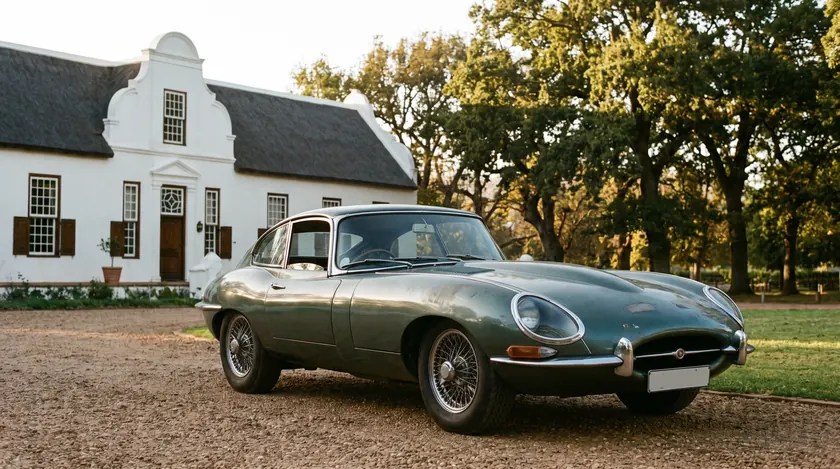
Most owners assume a private sale means posting the car on a marketplace and waiting. That is a private listing, not a private sale, and the two produce very different outcomes. A genuine private, or private treaty, sale means no public listing at all: a small number of qualified buyers approached directly, a real valuation behind the asking price, and a close that runs through escrow rather than a bank transfer to a stranger.
We run these sales the same way whether the car is leaving Cape Town or staying in Dubai. Below is the actual mechanics, valuation, vetting, escrow, and an honest answer on when a public auction beats all of it.
What is a private treaty sale?
A private treaty sale is a negotiated sale between a seller and a single qualified buyer at an agreed price, arranged directly or through a broker, with no public listing, no bidding and no buyer's premium stacked on top. RM Sotheby's runs a dedicated private-sales arm for exactly this reason: some consignors want a transaction, not a marketing event. The price is set by comparable evidence and negotiation rather than whatever a room is willing to bid on a given day, which cuts both ways. It can undersell a car that would have caught fire at auction, or it can protect a seller from a single bad-timing result on a thin day for bidders.
How do I value my classic car before selling?
Credible valuation starts with evidence, not a number you would like to hear.
Pull real comparables, not asking prices
Asking prices on public marketplaces tell you what sellers hope for. What we use instead is actual recorded sale results from named auction houses, Bring a Trailer, RM Sotheby's, Gooding, Bonhams, for the specific model, year and condition. A Porsche 911 (993) Carrera, for instance, trades anywhere from around $95,000 for a documented driver to $200,000 for an excellent low-mileage manual car, and that spread is exactly why one number never applies to a whole model line. Our Porsche 964 vs 993 buying guide breaks that spread down further by generation.
Commission an honest condition report
A condition report from someone with no stake in the sale price is worth more than three enthusiastic opinions from friends. It should cover matching-numbers status, service history completeness, and the specific rust or mechanical checkpoints that model is known for, the same checkpoints a serious buyer's own inspector will look for anyway. A car with full, documented service history is worth defending a higher asking price for. A car without one is not, regardless of how good the paint looks.
Price to the evidence, not the emotion
Sellers routinely anchor to the best comparable they can find. Buyers anchor to the worst. A defensible number sits on the actual condition-adjusted comparable set, and it is the number we want to see written down before a single buyer is approached, not negotiated live over a phone call.
How do I vet a buyer before I let them see the car, let alone sign anything?
- Proof of funds before a viewing is arranged, not after an offer is made
- A real name and a traceable history, not a marketplace handle with nothing behind it
- A clear statement of purpose, personal collection, resale or export, since export changes the paperwork on both sides
- Willingness to use escrow rather than a direct bank transfer or, worse, cash on delivery
- No pressure for a same-day decision; a genuine buyer for a six-figure car does not need to close in an afternoon
How can I sell a classic car without listing it publicly?
By working the network that already exists around the car rather than broadcasting it to one that does not. That means direct outreach to known collectors and marque specialists, a controlled information packet, valuation, condition report, provenance, sent only to buyers who have already shown proof of funds, and a closing process that runs through escrow so money and title move on the same day rather than on trust. No public listing also means no public price anchor for the next similar car a dealer or forum commenter can point to, which matters more than most sellers expect once they have sold one car and want privacy for the next, a collector in the UAE declining to have acquisitions tracked publicly being a common example.
Why can a private sale net more than a public one?
Three reasons, in our experience. First, a public listing invites lowball offers from buyers testing whether you are desperate, and it invites tyre-kickers who cost you time without ever intending to buy. Second, a public price becomes the reference point every future buyer negotiates down from, even after you take the listing down. Third, discretion has real value to a specific kind of buyer, a family office, a collector who does not want purchases tracked publicly, and that buyer will sometimes pay a premium specifically for a clean, quiet transaction. None of this is guaranteed uplift. It is a different sales channel for a different kind of car and a different kind of seller.
Prefer to just ask? Send a short message, we reply the same day.
Ask a questionWhen is auction actually the right answer?
When the car itself is the story. A documented, numbers-matching example with unusual provenance, a factory Evolution BMW E30 M3 with verified VINs, or a Ferrari Classiche-certified example, benefits from competitive bidding in front of the specific global audience that pays a premium for exactly that kind of documentation. Auction also suits a seller who needs a fixed sale date over a fixed price, or a car with wide enough appeal that reach matters more than discretion. We tell clients honestly when their car fits that description. Most classic cars, a solid driver-condition example without a headline story, do better sold quietly to one qualified buyer than they do competing for attention in a room full of headline cars.
Frequently asked questions
Is it better to sell a classic car privately or at auction?
It depends on the car, not on a fixed rule. A private treaty sale usually suits a solid, well-documented driver without a standout story, since it avoids buyer's premium and public price anchoring. A car with real headline provenance or rarity often nets more at auction, where competitive bidding among specialists can outrun any single negotiated offer. We would rather tell you which category your car falls into than default to one channel for everything.
How much commission do classic car auction houses charge?
Structures vary by house and by sale, typically a seller's commission plus a separate buyer's premium layered on top of the hammer price, and we do not have one fixed published figure that applies across RM Sotheby's, Bonhams and Gooding alike. Ask for the specific seller's commission and buyer's premium in writing before you consign, and factor the buyer's premium into what it does to bidders' actual willingness to bid.
Do dealers lowball classic car trade-ins?
A trade-in price is built around the dealer's own resale margin and turnaround risk, so it sits below what the same car would fetch sold directly to an end buyer. That is not a scandal, it is how the trade-in model works. If speed and zero hassle are worth more to you than the gap, trade in. If not, a private treaty sale or consignment usually closes that gap in the seller's favor.
How do I know if my asking price is realistic before I approach a buyer?
Compare it against actual recorded sale results for the same model, year and condition, not asking prices on marketplaces, and be honest about where your car's service history and originality actually sit within that range. A number backed by comparables and a condition report survives a serious buyer's own inspection. A number backed by hope does not.
Thinking about a quiet sale rather than a listing
Tell us about the car and we will tell you honestly whether a private sale or an auction house fits it better.
Ask a question